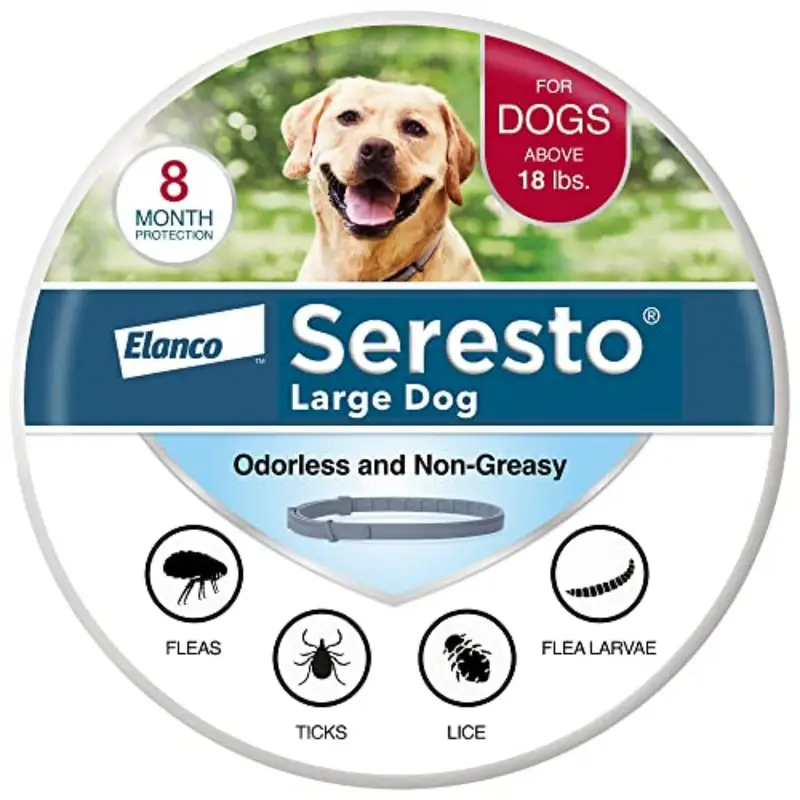
Seresto Large Dog Vet-Recommended Flea & Tick Treatment & Prevention Collar for Dogs Over 18 lbs. | 8 Months Protection
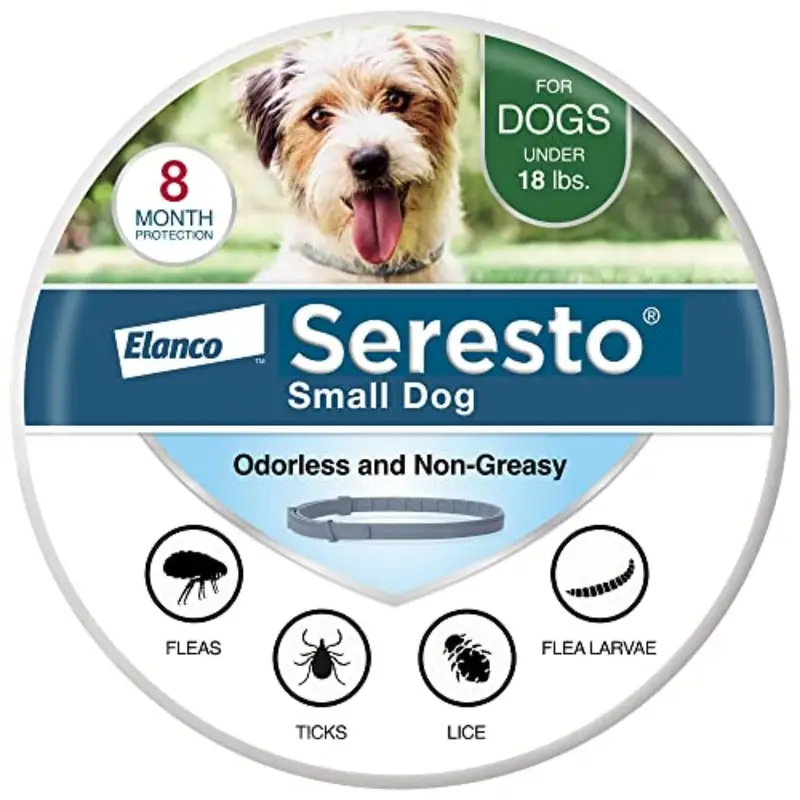
Seresto Small Dog Vet-Recommended Flea & Tick Treatment & Prevention Collar for Small Dogs | 8 Months Protection
Finding the Perfect Protection for Your Furry Friend
As a devoted dog parent who's tried virtually every flea and tick treatment on the market, I've finally found my holy grail product—the Seresto dog collar. Let me tell you, my journey to discover the perfect parasite protection has been anything but straightforward. I've dealt with messy topical treatments that left oily residue on my furniture, chewable tablets my picky eater refused to consume, and sprays that required military-precision timing to apply effectively.
When I first heard about Seresto's innovative 8-month protection system, I was skeptical. Could one collar really provide continuous protection for that long? After extensive research, personal experience with my three dogs, and countless conversations with fellow pet owners and veterinarians, I'm now convinced this collar is worth every penny. I've compiled everything I've learned into this comprehensive buying guide to help you decide if Seresto is right for your canine companion.
What Makes Seresto Different from Other Flea and Tick Treatments?
The pet protection market is flooded with options, from monthly topical treatments to oral medications and traditional flea collars. What sets Seresto apart is its unique sustained-release technology. Unlike old-school flea collars that simply emit a repellent odor, Seresto uses a polymer matrix design that slowly and continuously releases two active ingredients—imidacloprid and flumethrin—in low doses over your dog's skin and coat.
This innovative delivery system means the active ingredients spread through your dog's natural skin oils rather than absorbing into the bloodstream. The imidacloprid targets fleas while the flumethrin handles ticks. Together, they create a powerful protective barrier that kills parasites through contact, not after they've already bitten your dog. This approach provides immediate protection that lasts an impressive 8 months—meaning you only need to think about parasite protection a couple of times a year rather than monthly.
When I first switched my Golden Retriever, Max, to Seresto, the difference was remarkable. Previously, I'd notice him scratching for a few days before his monthly topical treatment was due. With Seresto, that "end-of-month vulnerability" disappeared completely.
The Complete Breakdown: Seresto Collar Sizing and Options
Choosing the right size is crucial for effective protection. Seresto collars come in three main varieties:
Small Dog Collar
- Designed for dogs weighing under 18 pounds
- Collar length: 15 inches (38 cm)
- Ideal for: Chihuahuas, Yorkies, Maltese, and other small breeds
- Can be trimmed to fit smaller necks perfectly
Large Dog Collar
- Designed for dogs weighing over 18 pounds
- Collar length: 27.5 inches (70 cm)
- Ideal for: Labs, Golden Retrievers, German Shepherds, and larger breeds
- Adjustable design accommodates various neck sizes
Seresto Collar for Puppies
- Available for puppies at least 7 weeks of age
- Sizing follows the small/large dog guidelines above
- Special formulation considered gentler for younger dogs
I've used both the small collar for my Dachshund, Penny, and the large collar for Max and my Boxer, Duke. The sizing was perfect in both cases, though I did need to trim a bit of excess from Penny's collar after fitting.
One aspect I particularly appreciate is the thoughtful safety release mechanism built into each collar. This feature allows the collar to expand or break if caught on something, preventing choking hazards—especially important for curious puppies or adventurous outdoor dogs.
The Science Behind the Protection: How Seresto Actually Works
Understanding how Seresto works helped ease my initial concerns about having a medicated collar around my dogs 24/7. The science is actually quite fascinating.
The collar's polymer matrix doesn't just contain the active ingredients—it's designed to release them in controlled, metered doses. When you first place the collar on your dog, the active ingredients transfer to your dog's skin oils and spread to create a protective layer over their entire body. This process takes about 24 hours to reach full effectiveness.
Once established, this protective barrier means fleas are killed within 24 hours of contact and ticks within 48 hours—often before they can transmit disease-causing pathogens. The collar is water-resistant, maintaining effectiveness even after swimming, bathing, or exposure to rain (though frequent swimming may reduce the protection period from 8 months to about 5 months).
What impressed me most was learning that the active ingredients remain primarily on the surface of the dog's skin and coat. Unlike some oral medications that circulate through your pet's entire system, Seresto's localized approach means minimal systemic absorption.
The Real Cost Analysis: Is Seresto Worth the Price Tag?
I'll be honest—when I first saw the price of a Seresto collar, I experienced some sticker shock. At approximately $60-$90 per collar (prices vary by retailer and size), it seemed expensive compared to monthly treatments that might cost $15-$20 each.
However, doing the math revealed the true value:
- Monthly topical treatment: $15 × 8 months = $120
- Monthly oral medication: $20 × 8 months = $160
- Seresto collar: $70 (average price) for 8 months
When I calculated the annual cost, I discovered Seresto actually saved me about $90 per year per dog. For my three-dog household, that's $270 annually—nothing to sneeze at!
Beyond the direct cost savings, I've found additional value in:
- Convenience: No more monthly reminder alarms or last-minute rushes to the vet for refills
- Reliability: Consistent protection without "end-of-month gaps"
- Less stress: No wrestling with my resistant Dachshund to apply topical treatments
- Cleanliness: No greasy residue on my furniture or hands
For busy pet parents, the "set it and forget it" nature of Seresto delivers peace of mind that's difficult to quantify but incredibly valuable.
Effectiveness Against Various Parasites: What Does Seresto Actually Protect Against?
When researching parasite protection, I wanted something comprehensive—not just a partial solution. Seresto protects against:
For Dogs:
- Fleas (adults, larvae, and eggs)
- Ticks (including deer ticks, American dog ticks, brown dog ticks, and lone star ticks)
- Sarcoptic mange mites
- Chewing lice
This broad spectrum of protection is particularly important because different parasites can transmit different diseases. Ticks alone can spread Lyme disease, Rocky Mountain spotted fever, ehrlichiosis, and anaplasmosis—all serious conditions that can affect both dogs and humans.
Living in a wooded area, tick protection was my primary concern. Before Seresto, I was finding 2-3 ticks on Max weekly during spring and summer hikes. After switching, I've found zero attached ticks in over two years of use—just a few dead ones in his bed that never managed to attach.
Safety Considerations: Addressing Common Concerns
As a protective pet parent, safety was my first priority when considering Seresto. I spent considerable time researching potential side effects and safety concerns.
The most common side effects reported include:
- Mild skin irritation at the collar site
- Hair loss around the neck (typically temporary)
- Itching or redness
- Behavioral changes in sensitive dogs
In my experience with three dogs of different breeds, ages, and sensitivities, I've only observed minor initial irritation with Penny, which resolved within 48 hours as she adjusted to the collar.
It's worth noting that all pesticide products carry some risk, and individual dogs may react differently. The key safety advantages of Seresto include:
- Localized application (versus systemic treatments)
- Slow release technology that minimizes exposure to high doses
- Safety testing for dogs as young as 7 weeks
- The ability to quickly remove the collar if any adverse reaction occurs
For extra peace of mind, always monitor your dog closely for the first 24-48 hours after applying a new collar. I recommend keeping the packaging with the batch number and manufacturer's contact information in case you need to report any issues.
Real-World Performance: How Seresto Stands Up to Dog Life
Theory and marketing claims are one thing, but how does Seresto hold up in the messy reality of actual dog life? After multiple years of use across three very different dogs, here's what I've found:
Water Resistance
My Boxer, Duke, is a water fiend who swims whenever possible. I was concerned this would render the collar ineffective, but even with weekly swimming, the collar maintained excellent protection for about 6 months before I replaced it (earlier than the 8 months recommended for non-swimming dogs).
For occasional swimmers or dogs who get regular baths, the full 8-month protection period seems realistic based on my experience.
Durability
The collar itself is sturdy yet flexible. Max, my Golden Retriever, has worn through numerous regular collars with his active lifestyle, but the Seresto collar maintained its integrity throughout the entire protection period.
The reflective strips included with newer models are a welcome addition for evening walks, though I found they can occasionally come loose during rough play.
Odor
Unlike old-fashioned flea collars that emitted a strong, chemical smell, Seresto has only a very faint odor detectable when you place your nose directly against it. None of my human guests have ever noticed the collar's smell, even when petting my dogs extensively.
Visibility
The collar's gray/white color is relatively discreet, especially on light-colored dogs. On my black Boxer, it's more noticeable, but not obtrusive. I typically have my dogs wear their regular decorative collars with ID tags alongside the Seresto collar with no issues.
Potential Drawbacks and How to Address Them
No product is perfect, and Seresto does have some potential downsides worth discussing:
Initial Cost
While more economical over time, the upfront cost can be prohibitive for some pet owners. Some veterinary offices offer payment plans, and pet insurance may cover part of the cost depending on your policy.
Resistance Concerns
As with any parasite treatment, there's the theoretical possibility of fleas or ticks developing resistance over time. To minimize this risk, I occasionally supplement with different control methods during peak season, such as yard treatments or house sprays.
Environmental Impact
The active ingredients in Seresto can be harmful to aquatic organisms. I'm careful to dispose of used collars according to package instructions rather than throwing them in regular trash or allowing them near water sources.
Not Suitable for All Dogs
Dogs with known sensitivities to the active ingredients or those with certain skin conditions may not be good candidates for Seresto. Always consult your veterinarian before using any parasite control product, especially if your dog has existing health issues or is on other medications.
My Personal Routine: Maximizing Effectiveness
After years of trial and error, I've developed a routine that works well for my dogs:
- Replace collars every 7 months instead of 8 to ensure continuous protection
- Mark replacement dates on my calendar when I apply a new collar
- Keep replacements in their original packaging until ready to use to maintain freshness
- Trim excess collar length after fitting (leaving 2 inches for adjustment)
- Check the collar position monthly to ensure it's making proper contact with skin
- Remove the collar for professional grooming appointments, then reapply immediately
- Perform regular tick checks after hikes even with the collar (better safe than sorry!)
This system has given me nearly 100% protection success, with only a single tick found in two years across three dogs.
Special Considerations for Different Dog Types
Not all dogs have the same needs or reactions to parasite control products. Here are some specific considerations based on my experience and research:
For Sensitive-Skinned Dogs
My Dachshund, Penny, has always had sensitive skin that reacts to many products. With Seresto, I found that washing her neck area with mild soap and water before application helped reduce initial irritation. I also monitored her closely for the first week and was prepared to remove the collar at any sign of significant discomfort.
For Very Active/Outdoor Dogs
For Max, who spends hours in the woods, I sometimes supplement with a repellent spray on his legs during peak tick season in our area (May-June). This belt-and-suspenders approach gives extra protection to the areas most likely to pick up ticks from tall grass.
For Multiple-Dog Households
Having three dogs who play roughly together, I was concerned about them chewing on each other's collars. This hasn't been an issue, but as a precaution, I introduced the collars gradually—first to my calmest dog, then adding them one at a time over a week period so I could monitor interactions.
For Dogs with Thick Coats
Duke's thick neck fur initially prevented good contact between the collar and his skin. I found that gently parting the fur before placing the collar and then adjusting it to sit closer to the skin made a significant difference in effectiveness.
Comparing Seresto to Other Leading Parasite Control Methods
Before settling on Seresto, I tried nearly every parasite control option available. Here's how they compared in my experience:
Seresto vs. Monthly Topical Treatments
- Advantage: Requires application once every 8 months vs. monthly
- Frontline: Seresto was more consistent in protection, especially against ticks
- K9 Advantix: Similar efficacy, but Seresto eliminated the messy application process
Seresto vs. Oral Medications
- Nexgard/Simparica: These required a prescription and only worked after parasites bit my dogs
- Capstar: Offered only very short-term protection compared to Seresto's long-lasting effect
- Bravecto: Closer in convenience (3-month protection), but still required parasites to bite first
Seresto vs. Traditional Flea Collars
The difference was night and day. Old-style flea collars had strong chemical odors, left greasy residue, and provided inconsistent protection at best. Seresto's modern technology eliminated all these issues while providing reliable protection.
Addressing Common Questions and Misconceptions
Through my research and conversations with other pet owners, I've encountered several recurring questions about Seresto:
"Is it safe to touch the collar/pet my dog while they're wearing it?"
Yes! The active ingredients bind to your dog's natural oils rather than sitting on the surface of the collar. I regularly handle the collars when adjusting them and have experienced no skin irritation or other issues. Normal petting and cuddling are completely safe.
"Will the collar lose effectiveness if it gets wet?"
Seresto is designed to remain effective even when wet. While very frequent swimming (more than once a month) may reduce the protection period, occasional baths or swimming don't significantly impact performance. I've found that allowing the collar to dry naturally after water exposure is better than trying to dry it artificially with heat.
"Can my dog wear Seresto with their regular collar?"
Absolutely. All my dogs wear their regular collars with ID tags alongside their Seresto collars without any issues. Just ensure both collars fit comfortably without being too tight.
"Is Seresto safe for humans in the household?"
The design of Seresto minimizes human exposure to the active ingredients. In my household, which includes children who frequently hug and play with our dogs, we've experienced no adverse effects. As a precaution, I do recommend washing hands after extended contact with the collar itself (such as during initial application).
When to Avoid Seresto: Contraindications and Alternatives
While Seresto has been my go-to solution, it's not appropriate for every dog. You should consider alternatives if:
- Your dog has a known sensitivity to imidacloprid or flumethrin
- Your dog has open wounds or a skin condition in the neck area
- Your dog is less than 7 weeks old
- Your dog is taking specific medications that might interact (consult your vet)
In these cases, alternative options might include:
- Oral medications prescribed by your veterinarian
- Essential oil-based repellents (though these generally offer less reliable protection)
- Manual prevention methods like frequent grooming and tick checks
- Environmental control measures for your yard
My sister's dog developed a sensitivity to Seresto after two years of successful use. She switched to a prescription oral medication and supplements with regular combing using a flea comb.
Seasonal Considerations: Do You Need Year-Round Protection?
Living in the Northeast, I initially wondered if year-round protection was necessary given our cold winters. After consulting with multiple veterinarians, I learned that modern climate patterns have extended parasite seasons in many regions, making year-round protection increasingly important.
That said, if you live in an area with distinct seasons where parasites are truly dormant for months, you might consider a seasonal approach. If you use Seresto year-round, time your replacements so that the collars are newest during peak spring/summer parasite seasons.
During the deepest winter months when we spend less time outdoors, I sometimes remove the collars for a few weeks to extend their overall lifespan, storing them in their original packaging in a cool, dry place.
Where to Buy: Ensuring You Get an Authentic Product
Unfortunately, counterfeit pet products are a real concern. To ensure you're getting an authentic Seresto collar with proper handling and storage:
- Purchase from authorized retailers:
- Your veterinarian's office
- Major pet supply chains
- The official Seresto website
- Authorized online retailers
- Be wary of suspiciously low prices or bulk deals that seem too good to be true
- Check the packaging for signs of authenticity:
- Clear, high-quality printing
- Proper sealing
- Batch numbers and expiration dates
- Included product information insert
I once purchased what I thought was a discounted Seresto collar online, only to receive a product with slightly different packaging and poor effectiveness. I now purchase exclusively through my veterinarian or major pet retailers, even if it costs slightly more.
Making the Transition: How to Switch to Seresto from Other Products
When I first switched my dogs to Seresto from topical treatments, I followed a specific protocol to ensure continuous protection:
- I applied the Seresto collar on the same day I would have applied the next monthly treatment
- I monitored closely for any signs of adverse reactions to having both products initially
- I didn't apply any additional topical flea treatments during the transition period
- I continued performing regular flea and tick checks during the transition period
The transition was seamless for all three of my dogs, with no gap in protection or observable side effects from the overlap period.
Long-Term Maintenance: Getting the Full 8 Months of Protection
To ensure you get the maximum protection period from each collar:
- Store unused collars in their original sealed packaging in a cool, dry place
- Check the collar position regularly—it should make contact with your dog's skin
- If your dog swims or gets bathed frequently, inspect the collar monthly for signs of wear
- Avoid removing the collar unnecessarily, as this can reduce its effectiveness
- Check for and remove any buildup of dirt or debris that might block release of active ingredients
I've found that properly maintained collars generally do provide the full 8 months of protection in normal circumstances, and about 5-6 months for my water-loving Boxer.
The Environmental Perspective: Disposal and Ecological Considerations
As someone concerned about environmental impact, I researched how to properly handle used Seresto collars. The correct disposal method is:
- Wrap the used collar in newspaper
- Place it in a sealed bag
- Dispose of it in household trash
- Never flush it down the toilet or dispose of it in water sources
The active ingredients can be harmful to aquatic life, so proper disposal is essential. I've also been pleased to learn that Seresto's targeted application means less overall pesticide use compared to regularly treating my entire yard or home with sprays.
My Final Verdict: Is Seresto Right for Your Dog?
After years of personal experience and extensive research, I believe Seresto offers the best combination of effectiveness, convenience, and value for most dog owners. It has transformed my approach to parasite protection from a monthly chore to a twice-yearly simple task.
That said, every dog is unique. What works beautifully for my three dogs might not be ideal for yours. Consider your dog's:
- Health status and any existing conditions
- Sensitivity to other medications or treatments
- Lifestyle and exposure risk
- Your budget and preference for application methods
When I recommend Seresto to fellow dog owners, I always suggest they:
- Consult their veterinarian first
- Start with a single collar to test effectiveness and tolerance
- Monitor closely during the first week of use
- Have a backup plan if it doesn't work for their specific dog
For my family, Seresto has provided reliable, hassle-free protection that has kept our dogs comfortable and parasite-free through countless adventures. The peace of mind it offers has been worth every penny.