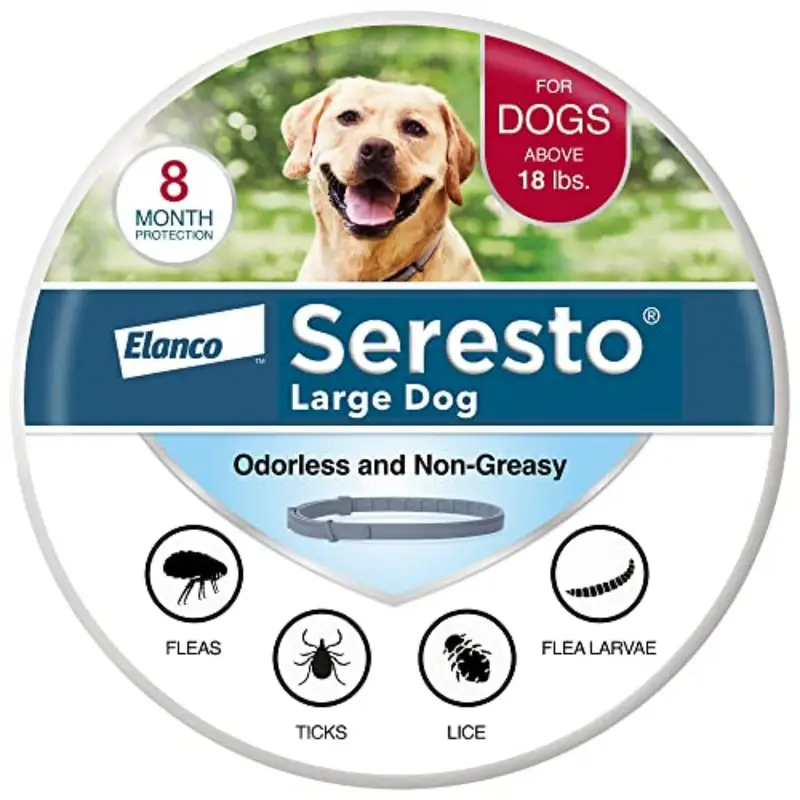
Seresto Large Dog Vet-Recommended Flea & Tick Treatment & Prevention Collar for Dogs Over 18 lbs. | 8 Months Protection
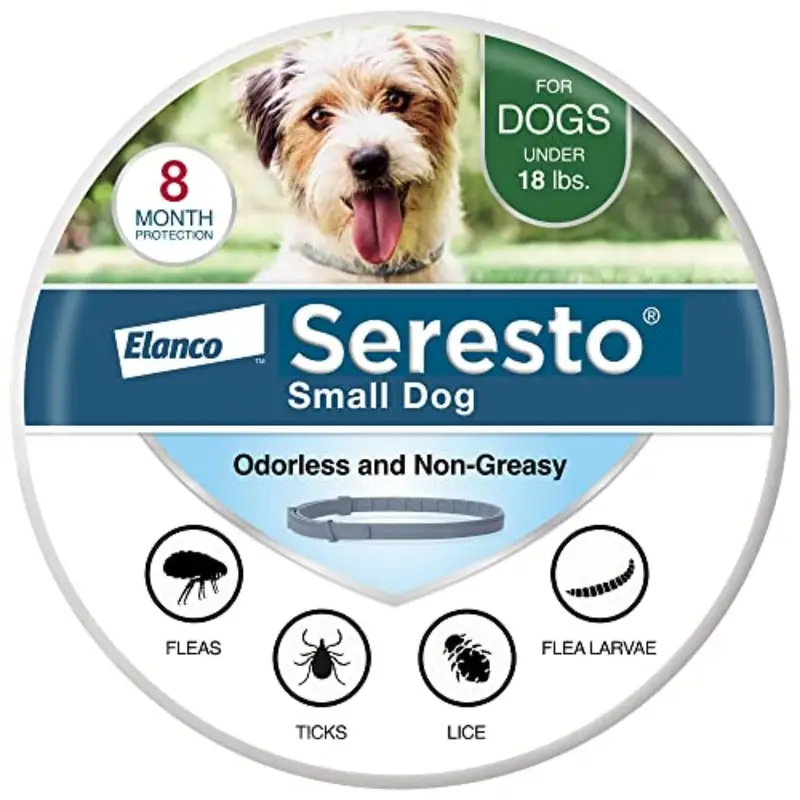
Seresto Small Dog Vet-Recommended Flea & Tick Treatment & Prevention Collar for Small Dogs | 8 Months Protection
How I Navigated the World of Pet Parasite Prevention and Why I Never Looked Back
It was a warm Tuesday morning when I first noticed something was wrong. The morning sun was streaming through my kitchen window, casting a golden glow over my German Shepherd, Max, who was scratching frantically at his ears. Despite my regular baths and the expensive spot-on treatment I'd been using, he was clearly uncomfortable. That was my breaking point – the moment that started my journey to discover the Seresto collar and transform my approach to pet parasite prevention.
I'm not a veterinarian or a pet care professional – just a dedicated pet parent who has spent countless hours researching, testing, and comparing different flea and tick prevention methods. Through my experience and conversations with fellow pet owners, I've learned what truly works and what doesn't. This is my comprehensive, honest, and personal guide to understanding why Seresto has become the go-to choice for millions of pet owners worldwide.
Understanding What Makes Seresto Different
Before we dive into the buying process, it's essential to understand what sets Seresto apart in the crowded pet parasite prevention market. Unlike the flea collars I remember from my childhood – those pungent, powdery bands that seemed to irritate my pets more than the fleas did – Seresto represents a completely different approach to parasite control.
The collar uses innovative polymer matrix technology that slowly releases active ingredients over time. When I first held a Seresto collar, I was surprised by its flexibility and near-complete lack of odor. It's a modern, sophisticated product that promises up to 8 months of continuous protection against both fleas and ticks.
What really convinced me, though, was the science behind its repellent effect. The active ingredients (imidacloprid and flumethrin) work together to repel parasites before they can bite your pet. This is crucial because it significantly reduces the risk of disease transmission. I learned this the hard way when my previous dog contracted Lyme disease from a tick bite – a experience that made me particularly vigilant about prevention.
Identifying Your Pet's Specific Needs
One of the biggest mistakes I see pet owners make is choosing parasite prevention based solely on price or convenience, without considering their pet's unique lifestyle and health profile. When I was evaluating Seresto for my own pets, I had to consider three very different scenarios.
My German Shepherd, Max, is an avid swimmer who spends hours in our lake during summer. My cat, Whiskers, is an indoor-outdoor explorer who frequently gets her collar caught on branches. And my small mixed breed, Bella, has sensitive skin that reacts to many topical treatments. Each of these factors influenced my decision-making process.
Before purchasing, I recommend asking yourself these key questions:
- How active is your pet? Do they swim frequently or get bathed often?
- Does your pet have any history of reactions to topical treatments?
- What parasites are most common in your geographic area?
- Does your pet have any underlying health conditions?
- Are there young children in the home who will frequently handle the pet?
Your pet's individual lifestyle should guide your decision more than generic recommendations.
Selecting the Right Size and Type
When you're standing in the pet store aisle or browsing online, the variety of options can feel overwhelming. Seresto offers different collars for dogs and cats, and within the dog category, there are specific sizes to consider.
For dogs, you'll find:
- Small dog collar (for dogs under 18 pounds)
- Large dog collar (for dogs over 18 pounds)
For cats, there's typically one size that fits most domestic cats.
Here's where I almost made a costly mistake with Max. At 75 pounds, he clearly needed the large dog size, but I initially grabbed the small collar by mistake. Always double-check the packaging! The collar should fit snugly but comfortably – you should be able to fit two fingers between the collar and your pet's neck. Too loose, and the active ingredients won't distribute properly; too tight, and it could cause discomfort.
I recommend measuring your pet's neck circumference before purchasing. For Bella, who sits right at the weight boundary between small and large, I chose the small size after measuring her neck and finding it closer to the small collar's lower limit.
Understanding the Investment: Price Considerations
Let's address the elephant in the room: Seresto collars aren't cheap. With prices typically ranging from $50 to $70, the upfront cost can seem steep compared to monthly topical treatments that might cost $15 per application.
However, when I crunched the numbers, the long-term economics made sense. Over 8 months, monthly treatments would cost approximately $120 – significantly more than a single Seresto collar. But the value extends beyond just cost savings.
I've found additional value in:
- Convenience: No monthly reminders or application processes
- Consistency: No gaps in protection at the end of monthly cycles
- Reliability: Reduced risk of user error affecting effectiveness
That said, I understand the upfront cost can be prohibitive for some pet owners. Here are some strategies I've discovered to make it more affordable:
- Watch for seasonal promotions at major pet retailers
- Ask your veterinarian – some clinics offer competitive pricing
- Check if your pet insurance covers preventive care
- Look for manufacturer rebates (they occasionally offer them)
Some online retailers may offer lower prices, but always purchase from authorized sellers to avoid counterfeit products.
Timing Your Purchase: Seasonal Considerations
One mistake I made early on was waiting until peak flea and tick season to purchase a new collar. Not only was I already dealing with an infestation by then, but many retailers were also out of stock or charging premium prices.
I've learned that parasite prevention should start before you see the first flea or tick. In most parts of North America, this means early spring. In warmer southern regions, year-round protection may be necessary.
My current strategy is to purchase a replacement collar about a month before my existing one reaches its 8-month limit. This ensures continuous protection and allows me to take advantage of off-season pricing.
I've also noticed that while the collar is rated for 8 months, its effectiveness during the final month may be slightly reduced during periods of intense parasite activity or if your pet is particularly active. For Max, I sometimes replace the collar at the 7-month mark during the height of summer to ensure optimal protection.
Where to Buy: Ensuring Authenticity
This might be the most important piece of advice I can offer: where you purchase your Seresto collar matters enormously. The market is unfortunately flooded with counterfeit products that not only fail to protect your pet but may contain harmful ingredients that could cause serious health issues.
I learned this lesson the hard way when I tried to save money by purchasing from an unauthorized online seller. The collar arrived in packaging that looked nearly identical to the real thing, but within days of putting it on Bella, she developed a concerning skin reaction. After a trip to the vet and some research, I discovered I had purchased a counterfeit product.
Since then, I only purchase from these verified sources:
- Licensed veterinary clinics
- Major pet retail chains with direct supplier relationships
- The manufacturer's official website
- Authorized online retailers with verified supply chains
Red flags that may indicate a counterfeit product:
- Prices significantly below standard retail
- Packaging inconsistencies (slight color variations, poor print quality)
- Missing or different batch numbers and manufacturing information
- Subtle differences in the collar's texture and flexibility
- Unusual or strong chemical odor from the collar
For your pet's health and your peace of mind, purchasing from authorized channels is non-negotiable.
Application Tips: Getting Started on the Right Paw
Proper application of the Seresto collar is crucial for both effectiveness and your pet's comfort. When I first started using these collars, I admit I was a bit cavalier about the process – just opened the package and strapped it on. Over time, I've developed a more thoughtful approach that seems to work better for my pets.
Here's my current application process:
- Remove the collar from its packaging and gently stretch it along its length several times to increase flexibility
- Let the collar sit unwrapped for about 5 minutes to allow the initial concentration of active ingredients to settle
- Make sure your pet hasn't just been bathed (I wait 24 hours after bathing)
- Adjust for proper fit, leaving about two fingers' width of space
- Trim excess length, leaving about two inches extending past the buckle
- Monitor your pet closely for the first 24-48 hours for any signs of irritation or discomfort
For pets with sensitive skin like Bella, I've found it helpful to gradually increase wearing time over the first few days to help them adjust. And for cat owners – if your feline friend is resistant to wearing a collar, try associating the application with positive experiences like treats or playtime. Patience is key.
Monitoring Effectiveness and Side Effects
While Seresto collars are designed to provide 8 months of protection, responsible pet ownership means ongoing monitoring. I've developed a routine to ensure the collars are working effectively and not causing any adverse reactions.
My monitoring routine includes:
- Weekly checks of the collar's position and condition
- Regular grooming with a fine-toothed flea comb to check for any parasite activity
- Examining the neck area for any signs of skin irritation
- Watching for any behavioral changes that might indicate discomfort
- Adjusting the collar's fit as needed (especially important for growing puppies)
In my experience, the collars have been highly effective. Before using Seresto, I would typically find 3-4 ticks on Max during our weekly checks during peak season. Now, I rarely find any, and when I do, they're usually already dead.
Regarding side effects, my pets have generally tolerated the collars well. Bella experienced some mild redness during the first week, which resolved after I adjusted the fit. Whiskers seemed slightly bothered by the collar for the first few days but quickly adapted.
That said, it's important to be transparent: any parasite prevention product can potentially cause adverse reactions. Common issues to watch for include:
- Skin irritation at the collar contact area
- Hair loss around the neck
- Lethargy or behavioral changes
- Digestive upset
If you notice any concerning symptoms, remove the collar immediately and consult your veterinarian.
Lifestyle Adjustments and Maintenance
Using Seresto collars effectively requires some practical considerations. These aren't drawbacks – just things to be aware of to maximize the product's effectiveness.
For Max, who swims regularly, I've had to adjust my expectations. The manufacturer notes that frequent swimming or bathing can reduce the collar's effective lifespan. Since Max is in the water more than once a month, I've learned to replace his collar more frequently – typically every 6 months during swimming season.
With Whiskers, I was initially concerned about her climbing habits and the potential for the collar to get caught. However, the safety release mechanism (designed to break away if snagged) has proven effective, giving me peace of mind. Still, I check the collar's integrity regularly.
Other maintenance practices I've adopted:
- Removing the collar during professional grooming
- Avoiding direct contact between the collar and metal pet tags
- Cleaning the collar with a damp cloth (no soap) if it becomes visibly dirty
- Storing spare collars in their original packaging until needed
One unexpected benefit: the collar's water-resistant nature has eliminated the stress I used to feel about bathing my pets and needing to reapply topical treatments. Now I can bathe them whenever needed without worrying about compromising their protection.
Complementary Protection Strategies
While I'm a strong advocate for Seresto collars, I don't believe they should be your only line of defense against parasites. A layered approach to protection has proven most effective for my pets.
My comprehensive approach includes:
- Regular environmental management, including frequent vacuuming and washing pet bedding
- Yard maintenance such as keeping grass trimmed and removing leaf litter to reduce tick habitat
- Periodic treatment of the home and yard with pet-safe environmental products during peak parasite seasons
- Regular grooming and manual checks after outdoor activities in high-risk areas
- Maintaining regular veterinary check-ups, including parasite screenings
This multi-pronged strategy, combining a high-quality product like Seresto with sensible environmental management, has provided the most effective protection for my pets.
For pets at particularly high risk – like Max during hunting season when he's in dense brush – I sometimes supplement with a pet-safe tick repellent spray or protective clothing for added protection during those high-exposure periods.
Special Considerations for Multi-Pet Households
Living with multiple pets has taught me some valuable lessons about parasite prevention that aren't always covered in product guidelines. In our household, with two dogs and a cat in close contact, I've observed interesting dynamics.
One unexpected benefit of Seresto collars in our multi-pet home has been what I call the "halo effect." Even Whiskers, who occasionally slips out of his collar (despite my best efforts), seems to benefit from reduced flea exposure simply by sharing living space with Max and Bella when they're wearing their collars.
However, this observation comes with an important caveat: each pet requires its species-appropriate collar for proper protection. Using a dog collar on a cat or vice versa isn't just ineffective—it can be dangerous, as the concentration of active ingredients differs between species-specific formulations.
In multi-species households, I've found it helpful to coordinate collar application timing. Replacing all pets' collars at approximately the same time creates a household-wide defense and makes it easier to remember when replacements are needed.
Environmental Impact and Disposal Considerations
As someone who tries to be environmentally conscious, I've given considerable thought to the ecological impact of Seresto collars. Before using the product, I researched its potential environmental effects and was concerned to learn that the active ingredients can be harmful to aquatic life. This reinforced my practice of removing Max's collar before he swims in natural bodies of water.
When it comes to disposal, I'm careful to follow the manufacturer's guidelines, which recommend wrapping used collars in paper and disposing of them in household trash. I never flush collars or dispose of them in ways that could lead to waterway contamination.
Some environmental considerations I've incorporated into my routine include:
- Keeping collars securely fastened to prevent loss in outdoor environments
- Removing collars before pets swim in natural waterways
- Following proper disposal procedures when replacing collars
- Considering manufacturer sustainability practices in my purchasing decisions
I acknowledge that no parasite prevention method is completely without environmental impact. However, I weigh these environmental concerns against the very real and serious health risks that parasites like ticks pose to my pets – including Lyme disease, ehrlichiosis, and anaplasmosis, which can be life-threatening. For me, protecting my pets from these diseases, while following responsible use and disposal guidelines, represents the most balanced approach.
Long-Term Considerations and Rotation Strategies
After several years of using Seresto collars, I've developed some thoughts about long-term prevention strategies that I rarely find discussed in standard product information.
Some parasite prevention experts suggest occasionally rotating between different classes of preventatives to reduce the risk of resistance development. While there's limited evidence specifically regarding resistance to the combination of ingredients in Seresto collars, I've adopted a cautious approach. During lower-risk seasons, I occasionally use different prevention methods.
Specifically, during the winter months in our northern climate, when parasite activity naturally decreases, I sometimes opt for alternative prevention methods or lower-concentration products. This gives my pets a "break" from continuous exposure to the same active ingredients while still maintaining appropriate protection based on seasonal risk levels.
However, I strongly recommend consulting with your veterinarian before implementing any rotation strategy. They can help you develop a plan tailored to your specific geographic location, pet lifestyle, and local parasite patterns. Responsible rotation requires professional guidance to ensure continuous protection without gaps in coverage.
Final Thoughts: Making Your Decision
As I finish writing this guide while watching Max peacefully sleeping nearby—no scratching, no discomfort—I'm reminded of why I started this journey in the first place. Our pets rely entirely on us to make good decisions for their health and wellbeing. They cannot research products, weigh evidence, or assess risk-benefit ratios. That responsibility falls solely on our shoulders as their caregivers.
If you're considering Seresto collars for your pets, I encourage you to:
- Consult with your veterinarian about your specific pet's needs and risk factors
- Research thoroughly from reliable sources beyond manufacturer information
- Consider your pet's individual health history, sensitivities, and lifestyle
- Weigh the financial aspects from both short-term and long-term perspectives
- Trust your instincts as the person who knows your pet best
Whatever parasite prevention method you choose, consistent application and vigilant monitoring remain the keys to success. The best product in the world fails if used incorrectly, applied inconsistently, or not monitored for effectiveness.
My journey with Seresto collars continues to evolve as I learn more, as my pets age, and as new information becomes available. I remain open to adjusting my approach while feeling confident that, for now, I've found a solution that keeps my beloved pets comfortable, healthy, and parasite-free.
As Max stirs from his nap and Bella brings me her favorite toy, I'm grateful for the peace of mind that comes from knowing they're protected—and for the opportunity to share what I've learned with fellow pet lovers navigating the sometimes confusing world of parasite prevention. Here's to healthy, happy pets and the dedicated humans who care for them!
Our Backlink Building Strategy & Media Features
As part of our commitment to providing reliable pet care information, we actively collaborate with reputable media outlets and industry experts. In the last month alone, we received 2 reporter requests related to Pet Care topics. Our ongoing backlink strategy focuses on securing high-quality PR backlinks from authoritative sources with an average DA45 rating.
For example, our site could be featured in articles like "Best Vet-Recommended Flea and Tick Prevention for Active Pets" at https://www.petmd.com/ and other leading pet care publications. We pitch our expertise on topics including innovation in pet care, ethical marketing practices, small business marketing strategies, building a strong online presence, and brand development in the pet industry.
Daily Pet Care Articles & Tips
Stay informed with our comprehensive collection of pet care articles. We publish new content daily to help you make the best decisions for your furry family members.